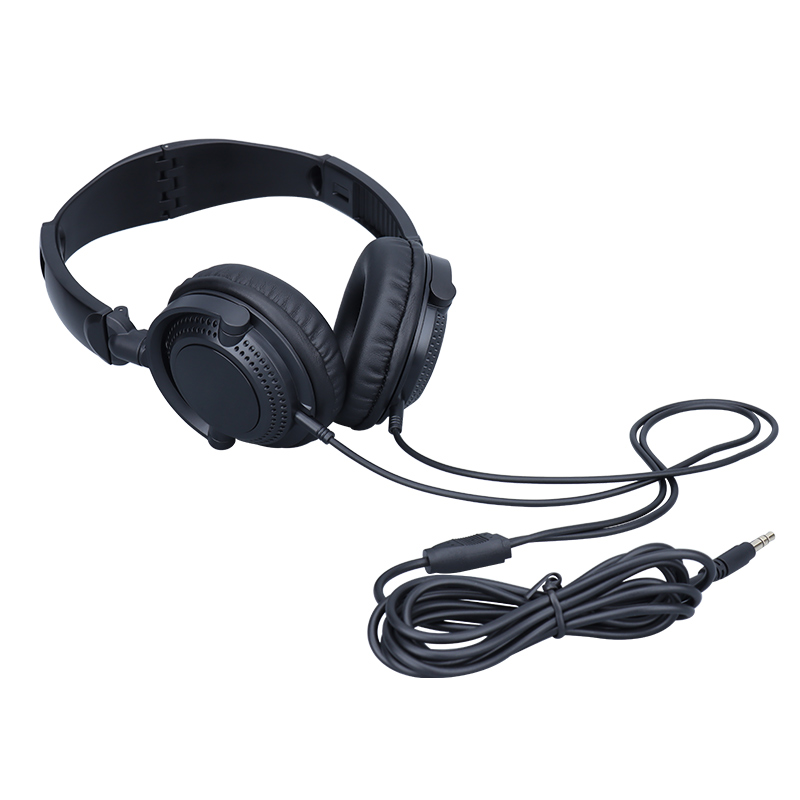
Custom Headphones: How Tailored Designs Create Better Sound and Brand Identity
Why Customization Has Become Essential in Headphone Development
Headphone markets are crowded with thousands of models. Standardized products struggle to stand out, especially when professionals and end-users have different needs. Customization is no longer a luxury but a necessity. Brands and project owners now look for solutions that can:
-
Adapt sound tuning for different user groups
-
Integrate unique designs for stronger market presence
-
Align with brand identity through logos and packaging
-
Scale production without losing consistency
The solution lies in working with a headphone manufacturer capable of handling both the technical engineering and the branding process, turning customization into a strategic advantage.
Custom Tuning: Matching Performance to Real Applications
Different markets demand different sound signatures. Simply producing a standard headphone is not enough.
-
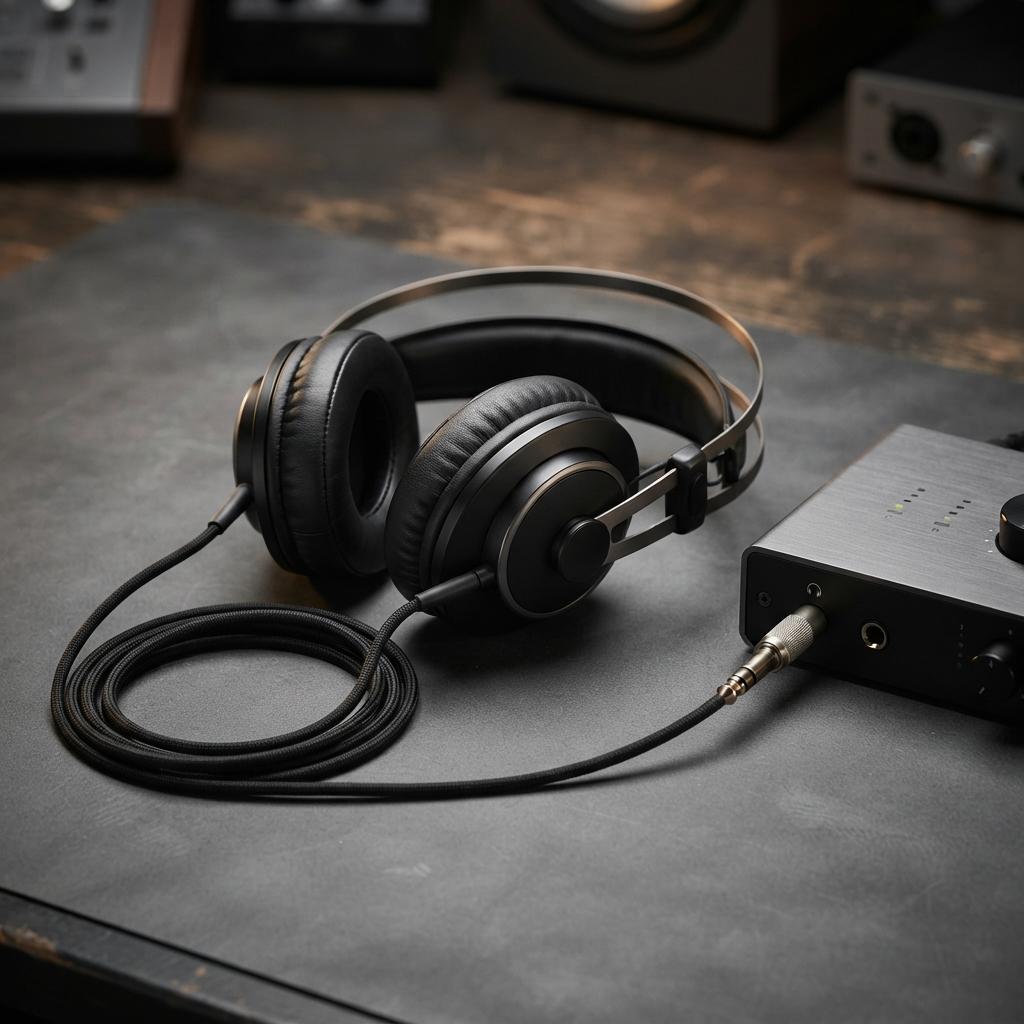
Studios require flat response with minimal coloration for accurate mixing. Precision driver calibration and careful acoustic chamber design to ensure neutrality.
-
DJ use requires higher SPL handling and boosted bass. Factories adapt by reinforcing drivers, adjusting tuning curves, and adding rotatable ear cups for one-ear monitoring.
-
Stage monitoring relies on isolation and clarity. Closed-back designs with controlled mids and highs help musicians and presenters hear themselves clearly.
-
Gaming demands surround effect and positional accuracy. This is solved with DSP profiles, wide soundstage tuning, and integrated microphones for communication.
By tailoring tuning at the factory level, manufacturers can supply headphones that perform reliably in the exact environments they are meant for.
Design and Comfort: Creating Value Beyond Acoustics
Sound is only half of the equation—comfort and design strongly influence long-term adoption. Problems like headband fatigue, ear cup heat, or fragile joints often reduce user satisfaction. Solutions include:
-
Ergonomic engineering: Adjustable headbands, memory foam cushions, and lightweight materials.
-
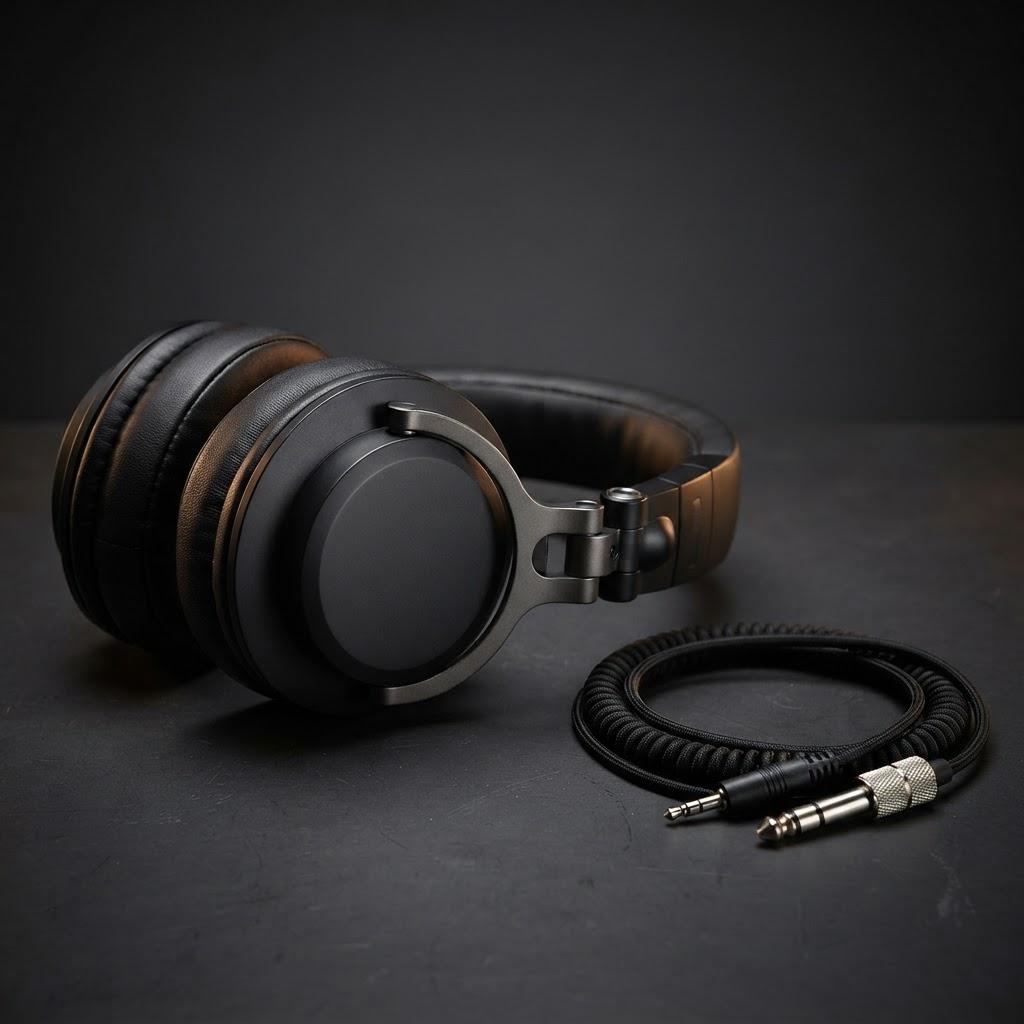
Durability upgrades: Reinforced hinges, detachable cables, and metal sliders.
-
Visual identity: Custom finishes, color schemes, or even RGB lighting for gaming headsets.
When these elements are adapted during production, the product becomes not only comfortable but also visually recognizable in competitive markets.
Branding and Packaging: Turning Hardware into a Signature Product
Many companies struggle to differentiate their headphones when they rely on generic designs. OEM/ODM customization solves this by embedding brand identity into the product. Solutions include:
-
Logo integration on ear cups and headbands
-
Custom packaging design for retail impact
-
Market-specific accessories, such as carrying cases or detachable microphones
-
Localized labeling and manuals for global markets
This ensures the headphones carry not just sound quality but also a distinct brand story, increasing recognition and loyalty.
Quality and Reliability: Ensuring Every Batch Performs Consistently
One of the biggest risks in customized production is losing consistency across orders. A professional headphone manufacturer addresses this through:
-
Acoustic testing: Frequency response analysis and driver matching for both channels
-
Mechanical testing: Cable bending, headband stress cycles, and drop tests
-
Wireless validation: Bluetooth stability, latency, and battery endurance checks
By embedding these processes, factories ensure that even when models are customized, performance and durability remain reliable across batches.
Why Custom Headphones Deliver Strategic Value
Customized headphones don’t just meet functional needs—they support long-term strategy. They allow companies to:
-
Enter niche markets like education or esports with targeted solutions
-
Build brand identity through unique sound and design signatures
-
Retain customers by offering continuity and familiar product lines
-
Increase margins with differentiated products compared to generic offerings
This makes customization a key driver of growth for both established brands and new entrants.
Why audfine Excels in Custom Headphone Solutions
1) Experience and Range
Since 2009, audfine has built expertise across studio, DJ, monitor, and gaming headphones, ensuring each category can be customized with confidence.
2) OEM/ODM Engineering
We provide end-to-end customization: driver selection, acoustic tuning, structural design, branding, packaging, and accessory integration—transforming generic hardware into distinct products.
3) Factory Capacity with Consistency
Our facilities combine automated assembly with skilled inspection, guaranteeing reliable performance and batch consistency for both small and large orders.
4) Global Supply and Flexible Trade Terms
Exporting to 60+ countries, audfine supports partners with factory-direct supply, logistics solutions, and trade terms (FOB, CIF, DDP) for smoother international business.
5) Certified Quality and Market Readiness
All products comply with RoHS and REACH requirements, supported by test reports and documentation, enabling easier market entry worldwide.
👉 Ready to create custom headphones that fit your brand and market? Explore our Homepage or reach out via Contact Us to start planning your OEM/ODM project.