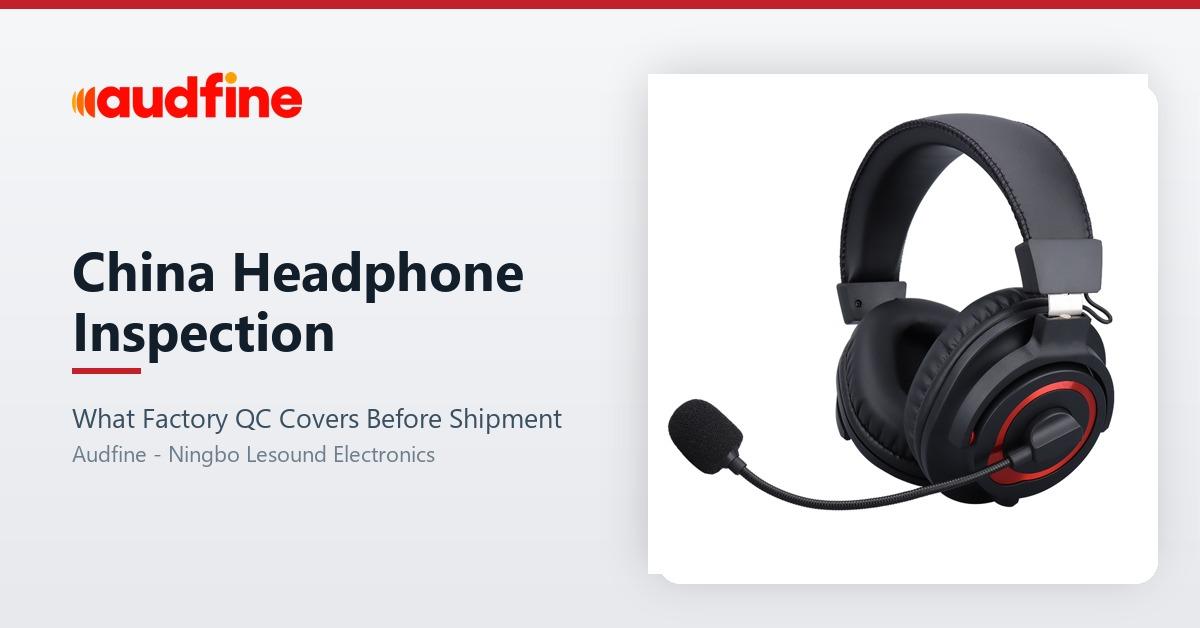
A useful China headphone inspection is not a formality at the end of an order. It is the gate that decides whether a container of headphones arrives selling or arrives apologizing. We build monitoring headphones in Ningbo, we host buyer and third-party inspections on our own lines, and we have sat on both sides of the table. So here is how headphone factory quality control actually runs, layer by layer, which acoustic numbers matter most, how AQL sampling decides a lot, and what we suggest you write into your next RFQ.
Why headphone orders fail late, not early
Headphones look simple. They are not. A single over-ear model pulls together a driver, a magnet circuit, a voice coil, a headband mechanism, ear pads, a cable, a plug and a printed box. Some of those parts come from our own tooling. Some arrive from component suppliers. Every interface between them is a place where a batch can drift.
That is why most headphone disputes we hear about are not design failures. They are batch drift. Unit one sounds like the golden sample. Unit four hundred drifts two dB on one channel. Nobody caught it, because nobody measured between the two points where it crept in. A structured China headphone inspection exists to catch that drift while it is still cheap to fix.
The three layers of QC inside a headphone factory
Buyers often picture inspection as one event before shipment. In a properly run factory it is three layers, and the last one only works because the first two do.
IQC, incoming quality control. Components are checked before they touch the line. For headphones the critical items are drivers, cables, plugs, pads and headband hardware. A driver batch that lands outside its sensitivity window will poison every unit assembled after it, no matter how careful the line is. We check incoming driver batches against the same figures we publish, because a datasheet is a promise about incoming material as much as about design.
IPQC, in-process quality control. While units move down the line, checkpoints verify what matters at each station: driver seating in the cup, solder joints at the terminal, cable strain relief, pad fit, hinge and swivel action. In-process checks are where drift gets caught at unit ten instead of unit four hundred.
FQC, final quality control. Finished units get acoustic and functional testing before packing, and packed cartons get a sampling review before the doors close. This is the layer most buyers picture when they hear the word inspection. It matters, but it is the cheapest place to find a defect only in the sense that it is the last one.
Acoustic testing: the numbers an inspection must confirm
This is where a headphone inspection separates itself from a general consumer-goods check. Any inspector can confirm a logo prints straight. It takes a defined acoustic routine to confirm the product does what the datasheet says. Four numbers do most of the work.
Left/right channel tracking. Play a matched signal into both cups and compare output. A channel imbalance is the single most common acoustic defect in headphone sampling, and it is the one users notice fastest. On our lines, a unit that fails tracking does not proceed to the next station.
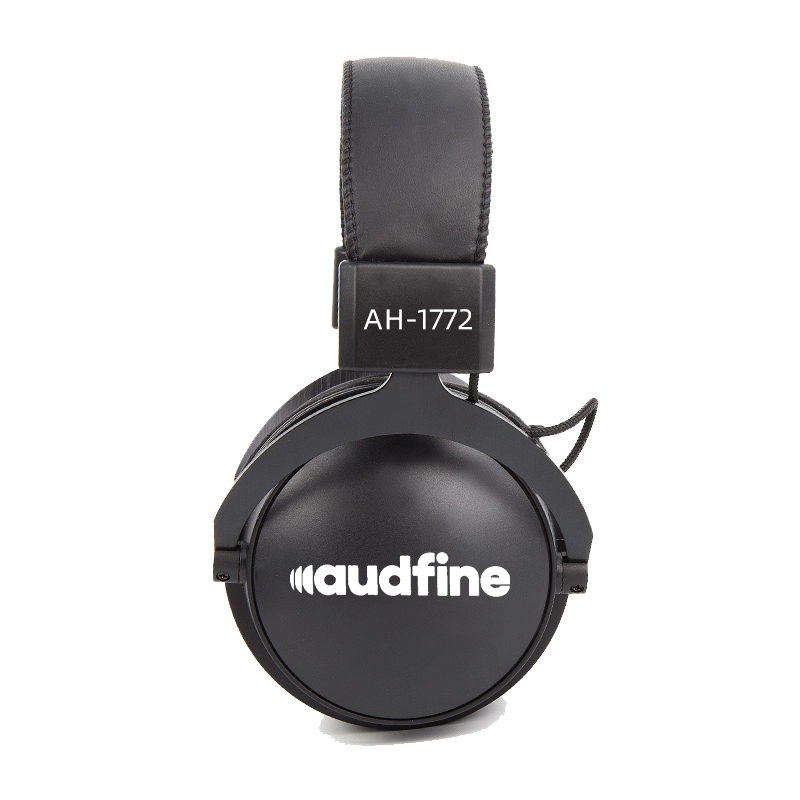
Sensitivity against the printed window. Our datasheets print a tolerance band, not a fantasy single number. The DH-1772 is 99±3 dB. The DH-7500 and the DH-1771K are both 97±3 dB. The DH-7300 is 98±3 dB. A sampled unit should land inside its band, and the band is the agreement, not the midpoint.
Frequency response coverage. A sweep confirms the unit covers its stated window. The DH-1772 runs 10 Hz to 35 kHz. The DH-7500 runs 10 Hz to 40 kHz. The DH-1771K runs 18 Hz to 35 kHz. The DH-7300 runs 12 Hz to 40 kHz. Different tunings for different monitoring jobs, and each has to hold its own published floor and ceiling.
Impedance and power handling. Impedance is checked against spec because it decides how the unit pairs with studio gear. That is also why the DH-1772 ships in 32, 80 and 250 ohm versions; each version is a separate configuration on the line and each is verified against its own rating, 400 mW continuous and 1800 mW maximum in that model's case.
| Model | Driver | Freq. response | Sensitivity | Impedance | Power |
|---|---|---|---|---|---|
| DH-1772 | Ø50 mm neodymium | 10 Hz - 35 kHz | 99±3 dB | 32 / 80 / 250 ohm | 400 mW / 1800 mW max |
| DH-7500 | Ø50 mm neodymium | 10 Hz - 40 kHz | 97±3 dB | 32 ohm | 350 mW / 1800 mW max |
| DH-1771K | Ø50 mm neodymium | 18 Hz - 35 kHz | 97±3 dB | 32 ohm | 350 mW / 1500 mW max |
| DH-7300 | Ø50 mm neodymium | 12 Hz - 40 kHz | 98±3 dB | 32 ohm | 400 mW / 2000 mW max |
One practical suggestion: when you book an inspection, hand the inspector this table with your order. An inspector who knows the tolerance band for each figure needs no interpretation from the factory. The full printed context for these lines is in our monitoring headphone spec sheet buyer's guide.
Where headphone assemblies actually fail
After enough sampled cartons, the defect list stops surprising you. Four spots account for most of what we see, on our lines and on anyone else's.
Cable strain relief. The joint where the cable meets the cup or the plug takes every bend the user will ever apply. Under-molded relief passes a bench test and fails in the field, so the check is a repeated flex, not a glance.
Solder joints at the driver terminal. A cold joint can pass a quiet bench test and drop a channel when the unit warms or flexes. This is the defect behind the classic one-silent-earcup complaint.
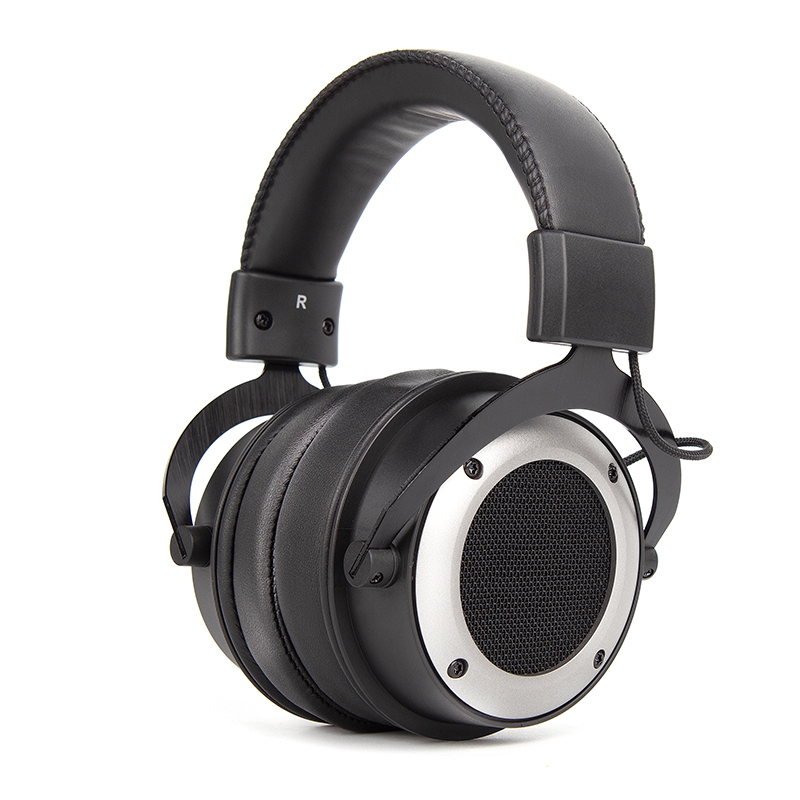
Pad and headband hardware. Pads that seat unevenly leak bass and read as a frequency response problem that is really a mechanical one. Headband flex points and swivel rivets get a cycle check because fatigue shows up there first.
Plug and connector fit. A plug that grips loosely works loose on stage and in studios. Insertion feel is a spec, not a preference, and inspectors can sample it consistently.
None of these are exotic. That is the point. Headphone factory inspection is mostly the discipline to check boring joints on every sample, and the patience to record what was checked. Our serviceability angle on the same components, pads and cables especially, is covered in our replacement ear pads and cables guide.
AQL sampling: how a lot actually passes or fails
Most pre-shipment headphone inspections run on AQL sampling, the acceptance quality limit framework used across consumer audio exports. The mechanics are simple once you have seen them once.
The lot size and the chosen AQL level determine a sample count from standard tables. For a mid-four-figure order, that usually means a few hundred units drawn at random from packed cartons across the lot, not the first box off the line. Each sampled unit is graded critical, major or minor. Critical defects, a dead channel, a broken headband, a plug that does not seat, usually fail a lot on their own. Major and minor findings are counted against the acceptance numbers for the level you specified.
Two things we tell every buyer. First, choose your AQL levels before production starts, not after the cartons are sealed, because the level is a commercial agreement about risk, and it needs to be written down. Second, define your critical list explicitly. Channel imbalance beyond an agreed dB figure is a good candidate for the critical list on monitoring headphones, since stereo tracking is the product's core function. The impedance variants from our 32 ohm vs 300 ohm impedance comparison are worth a line here too: if your order mixes impedance versions, each version is its own configuration and deserves its own sampling attention.
What a pre-shipment report should contain
A report that says passed is worth nothing. A report you can act on includes, at minimum:
- Lot reference, carton sample map and how samples were drawn
- The approved reference sample the lot was judged against
- Acoustic results per sampled unit: tracking, sensitivity, sweep coverage
- Mechanical findings by checkpoint: strain relief, solder, pads, hinges, plugs
- Defect photos graded critical, major and minor
- Carton condition, marking and packing counts
- A clear accept, reject or rework verdict against your stated AQL levels
If your inspector's report is missing the reference sample and the per-unit acoustic rows, ask for them. Those two items are what make a verdict defensible on both sides.
Specifying headphone factory quality control in your RFQ
Inspection quality is decided at quotation time, before anyone touches a production line. Eight lines we suggest adding to every headphone RFQ:
- Name the golden sample: who keeps it, and which unit class it refers to.
- Attach the spec table with tolerance bands, sensitivity windows included.
- State your AQL levels for critical, major and minor defects.
- List your critical defects explicitly, channel imbalance thresholds included.
- Define the acoustic routine: sweep, tracking, sensitivity, impedance per variant.
- Confirm which reports you receive and when: in-process summaries and the final pre-shipment report.
- Decide who inspects: your team, a third-party agency, or the factory's own FQC with records shared.
- Agree how rework and re-sampling work if a lot fails the first pass.
A supplier who answers those eight lines in the first reply has probably run this process before. A supplier who goes quiet on item three has not. Our step-by-step view of the wider workflow, golden samples through final checks, is in our sample order and pre-shipment inspection guide.
How we run it in Ningbo
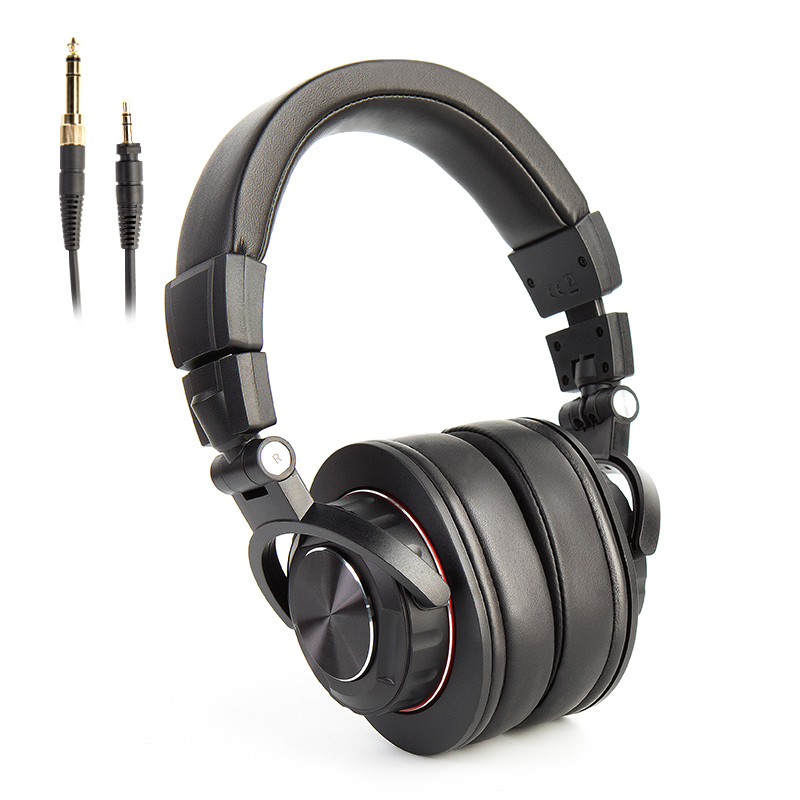
We are Ningbo Lesound Electronics, building headphones and pro audio transducers since 2009 and shipping to buyers in more than 60 countries. Monitoring headphones leave our factory at a rate of roughly 10,000 finished units in a typical month, and every programme ships against an approved reference sample with the tolerance bands above written into the order. A China headphone inspection held on our floor, whether yours or a third party's, walks those same bands, so nobody argues about interpretation at the packing stage.
Our own FQC runs the acoustic routine on finished units, and our records are open: buyers who visit, or who send a third-party inspector, see the same checkpoints listed here, on the line, in real time. We would rather an inspector find a drifting station on a Tuesday than a buyer find it in a warehouse. If you are mapping the model range before your next order, the monitoring headphone model map lays out the lineup, and our product range page covers the transducer and speaker side of the factory.
Frequently asked questions
Should I inspect in-process or only before shipment?
Both, for a first order with a new factory. An in-process visit catches drift while the line can still correct it; the pre-shipment pass confirms the packed lot. On repeat programmes with stable history, a pre-shipment pass is usually enough.
Can a third-party inspector run acoustic tests on site?
Yes, if you brief them with the spec table and tolerance bands. Sweep playback, channel tracking and sensitivity checks need only a test signal, a coupler or a consistent fixture, and a written method. We provide a test point and power on our lines for exactly this.
What is the most common defect in sampled headphone lots?
Channel imbalance and cable strain relief failures, in that order at our end. Both are cheap to fix at unit ten and expensive to fix at unit four hundred, which is the entire argument for layered checks.
Who pays for a re-inspection after a failed lot?
That is a commercial term, and it belongs in the order agreement next to your AQL levels. We suggest settling it before production starts, when both sides are still friendly about hypotheticals.
How do I start an inspection-backed order with Audfine?
Send the model, the destination market and your test expectations through our inquiry page or the contact page. We reply with the datasheet, the tolerance bands and a sample plan first, because the inspection conversation goes better when everyone is reading the same numbers.